

A cycle to celebrate William Shakespeare
Published at — 30 January 2026
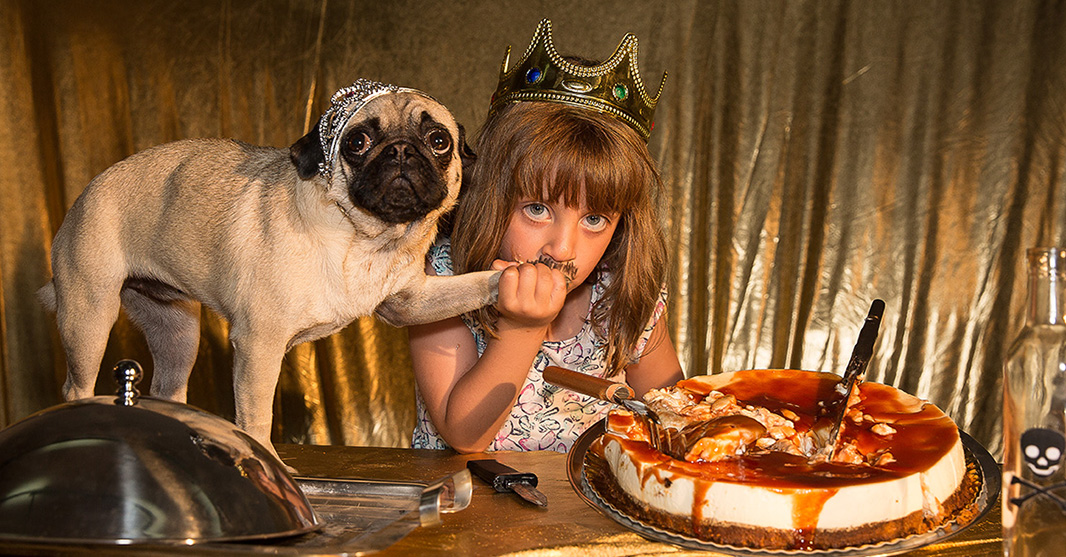
William Shakespeare is celebrated in February at Teatro Aveirense in an innovative way. In the year that marks 360 years since his death, Teatro Praga presents the Shakespeare Trilogy, between February 2 and 7, with a series of activities developed around three of the author's tragedies: “Romeo & Juliet,” “Hamlet,” and “Macbeth.”
The Shakespeare Trilogy consists of three theater performances, a workshop, and a film screening, in a series of initiatives designed to celebrate one of the most notable playwrights of all time. With a special focus on young audiences, the cycle includes special sessions for schools and seeks to bring William Shakespeare into the present day in a creative and original way.
The activities kick off on February 2 with “To Be or Not To Be – That's The Question,” with Cláudia Jardim and Diogo Bento, which is a training session for teachers, educators, artists, and others interested in new approaches to classic works with young people. February 3 will feature the show “Hamlet, Sou Eu” (Hamlet, It's Me), in an exclusive session for schools, which challenges participants to discover and represent possible theatrical scenarios for the story of the play “Hamlet,” with participants taking to the stage at the end. On February 5, there will be a new session for schools, this time with “Romeu & Julieta” (Romeo & Juliet), which transposes one of the most romantic and dramatic stories ever into the fun environment of a kitchen. Also confirmed for February 5 is “William ShakeskKkKKkk,” a TikTok-inspired video performance conference based on the playwright's biography. Finally, on February 7, there will be a presentation of “MacBad,” which transforms the classic “Macbeth” into the story of a bully, drawing on the world of video games.
Designed for diverse audiences, from children aged 6 and up, young people, teachers, and the general public, the cycle combines theater, pedagogy, humor, and active participation, opening space for new readings of Shakespeare's great tragedies and dilemmas.
The Shakespeare Trilogy consists of three theater performances, a workshop, and a film screening, in a series of initiatives designed to celebrate one of the most notable playwrights of all time. With a special focus on young audiences, the cycle includes special sessions for schools and seeks to bring William Shakespeare into the present day in a creative and original way.
The activities kick off on February 2 with “To Be or Not To Be – That's The Question,” with Cláudia Jardim and Diogo Bento, which is a training session for teachers, educators, artists, and others interested in new approaches to classic works with young people. February 3 will feature the show “Hamlet, Sou Eu” (Hamlet, It's Me), in an exclusive session for schools, which challenges participants to discover and represent possible theatrical scenarios for the story of the play “Hamlet,” with participants taking to the stage at the end. On February 5, there will be a new session for schools, this time with “Romeu & Julieta” (Romeo & Juliet), which transposes one of the most romantic and dramatic stories ever into the fun environment of a kitchen. Also confirmed for February 5 is “William ShakeskKkKKkk,” a TikTok-inspired video performance conference based on the playwright's biography. Finally, on February 7, there will be a presentation of “MacBad,” which transforms the classic “Macbeth” into the story of a bully, drawing on the world of video games.
Designed for diverse audiences, from children aged 6 and up, young people, teachers, and the general public, the cycle combines theater, pedagogy, humor, and active participation, opening space for new readings of Shakespeare's great tragedies and dilemmas.
